Born in 1976 in Góra.
solo
- 08: Double, Galeria Foksal, Warsaw.
- 06: Pauza, Galeria Rotunda, Poznań.
- 06: Puls, Galeria Aneks, Poznań.
- 05: 2500<->7000+, Galeria Muzalewska, Poznań.
- 03: Przypisy, Galeria Naprzeciw, Poznań.
- group
- 10: Wariacje, (with Marika Lehmann), NASZ CHOPIN 10/30 INSPIRACJE, Kalisz.
- 10: Bez Wytłumaczenia / No Explanation, Galeria Arsenał, Poznan.
- 10: Show ONE, Royal College of Art, London.
- 09: RCA Secret 2009, Gulbenkian Galleries, Royal College of Art, London.
- 09: Battle of Ideas, Royal College of Art, London.
- 08: RCA Secret 2008, Gulbenkian Galleries, Royal College of Art, London.
- 06: 151206, Galeria Oko Ucho, Poznań.
- 05: Targi Sztuki, Art Poznań.
- 04: Kolekcja ASP w Poznaniu, ASP, Poznań.
- 04: Czytanie Przestrzeni, Galerie Plastyfikatory, Luboń.
- 03: Oder/Odra, 2yk Galerie, Berlin.
- 03: Oder/Odra, Galeria Amfilada, Szczecin.
- 03: Oder/Odra, Kunst Bauwerk/Tabakfabrik, Vierraden.
2008 - 2010 Royal College of Art, London. MA in Fine Art Photography.
2000 - 2002 ASP Poznań. MA in Drawing and Printmaking under prof. Jarosław Kozłowski and prof. Mirosław Pawłowski.
1995 - 2000 ASP Poznań. MA in Art Education under prof. Jaromir Jedliński.
2006 to 2008: Curator galeria aneks.
- 2002 to present day: Assistant in drawing studio, ASP Poznań.
- 2002 Art Scholarship from the City of Poznań.
JJ: Why Double? Could you - please - explain the meaning of the title for your show at Foksal Gallery.
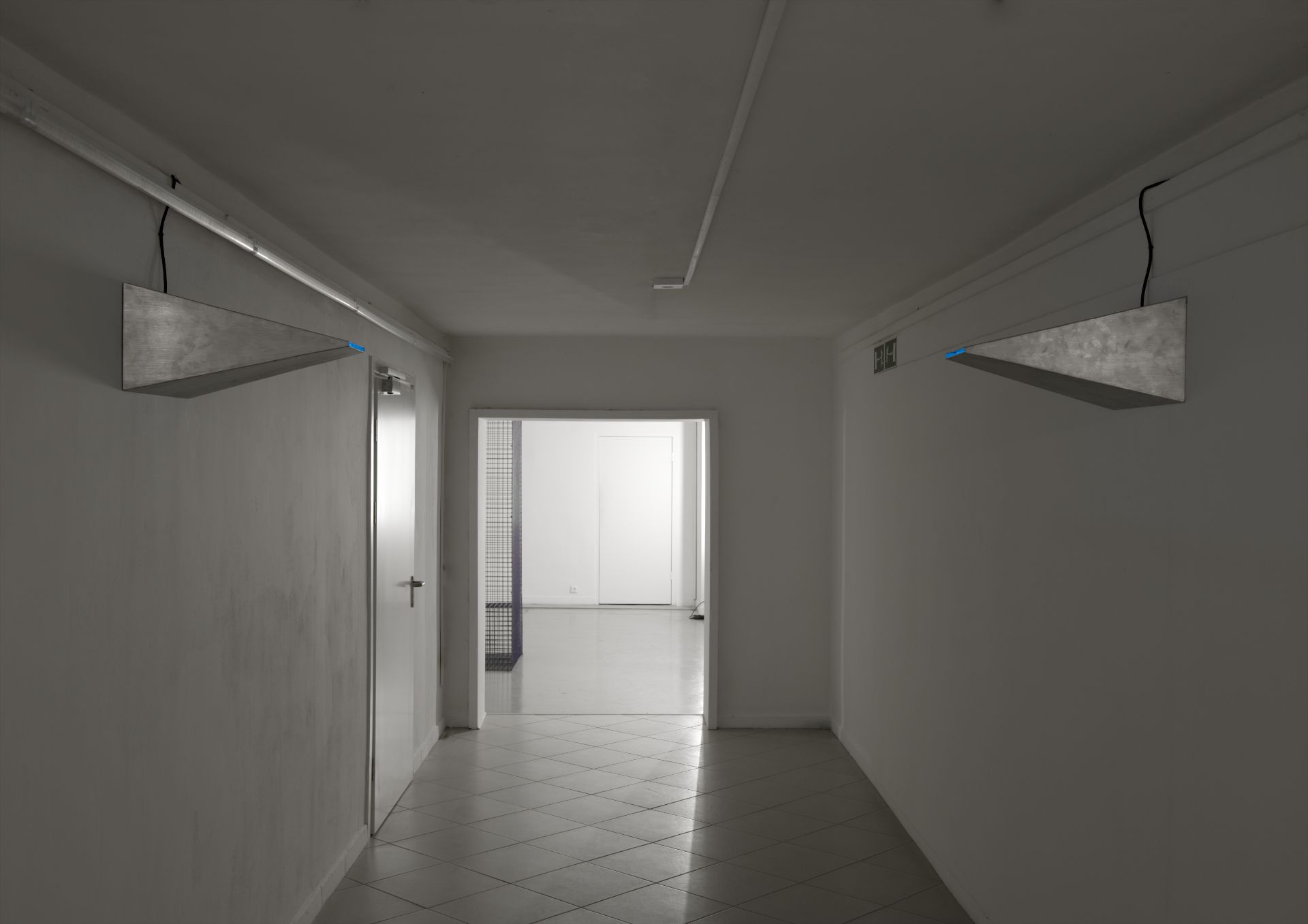
DF: Double refers to both mental and physical spaces. To identities and architecture that assimilate each other. The corridor itself might be as much mental as physical. I like this thought. This bleed. These transitory spaces already have a strong liminal character. They are non-places that exist between the familiar and the unfamiliar, the real and the artificial, interior and exterior. In such a location you might be both familiar and unfamiliar to yourself. Isolated from yourself. Alienated, anxious and uncertain. Your internal head space might then become some sort of non-place.
JJ: What are the elements that make up the work of your first show at Foksal Gallery? What do they consist of? In what way were they constructed? What is the logic, or narrative - if there is a narrative - suggested by the title Double? Duality? “doppelgangering”? Simple mirror reflections? Or perhaps some other kind of double?
DF: All the work in this show comes from a single location. A corridor which I visited over the course of a year. This corridor hides many corridors within itself. It is a labyrinth. I don't recall when exactly, but at some point while lost in this corridor I began to see reflections. When you split your own image and reflect it, you get two new identities both familiar and strange. In the case of a location, you get two new places. Each one complete but at the same time interconnected. Parallel worlds, on the verge of existence. But it's not just this kind of mechanical mirroring that I have in mind. I am very fond of Stanisław Lem's guests in Solaris. They are also reflections. Memories of people from the past of the main characters projected into physical form. The memory of an identity. That memory as a mirror. And consequently empty. Or not. An emptiness that is somehow full. This is important to me. I feel that there is something of substance hidden behind terms like emptiness, nothing and nowhere. Perhaps that is why my doubles appear both present and absent. Or not quite either. Perhaps they just don't recognise themselves. I like this idea that your reflection doesn't have to have your face. That sometimes you don't have to look any further than a mirror to find a stranger.
JJ: To what extent does your work in the Double exhibition refer to the site, to the local environment of Foksal Gallery? And to what degree is this realisation independent of the space? I am asking about this as I remember that some time ago you were involved in a theoretical investigation into site-specificity.
DF: Photography often simply ignores the site in which it is exhibited. It sees it's site as beyond the illusionary surface. In my case, for the past year I've been working in this corridor - a very particular site. This idea of the double has been developing in the back of my head for an even longer time. However ever since I've known that this work was going to be shown at Foksal, I have also had in mind this concrete place - Foksal - as the work has evolved through it's many variations. In this modest way the space of the gallery has had an influence on the work. Incidentally galleries of course are also non-places. Transitory spaces. They often have there own character but they are supposed to be almost invisible.
JJ: How is this present work connected with your other work? To the other objects and issues that you are and have been interested in?
DF: I think the thread that links these pieces to my previous work might be an interest in structure and systems. I have tried - I am still trying - to look through these frameworks for something irreducibly human. Here perhaps I am influenced by Kafka. The attempt to grasp that which is hopelessly beyond understanding.
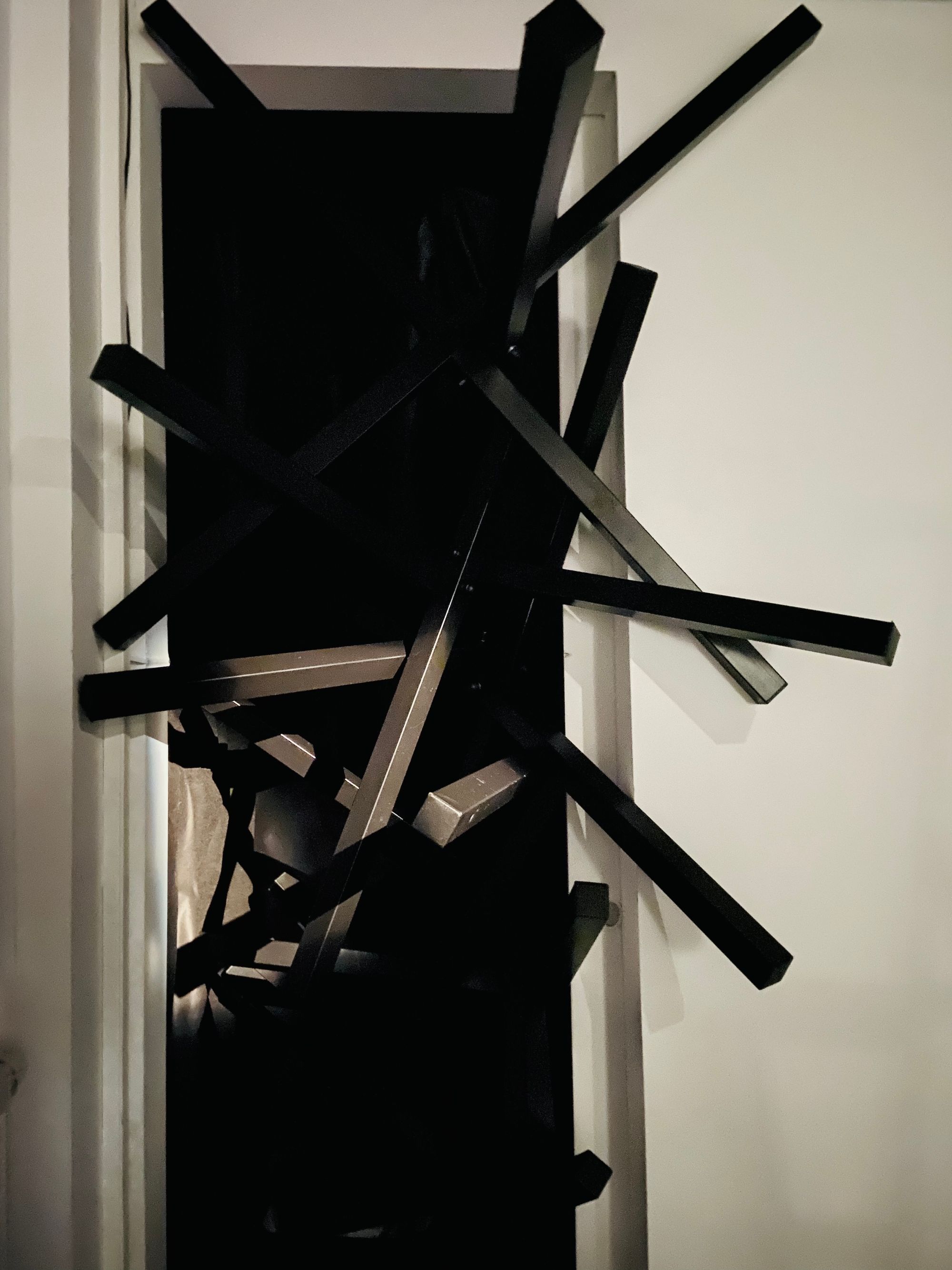
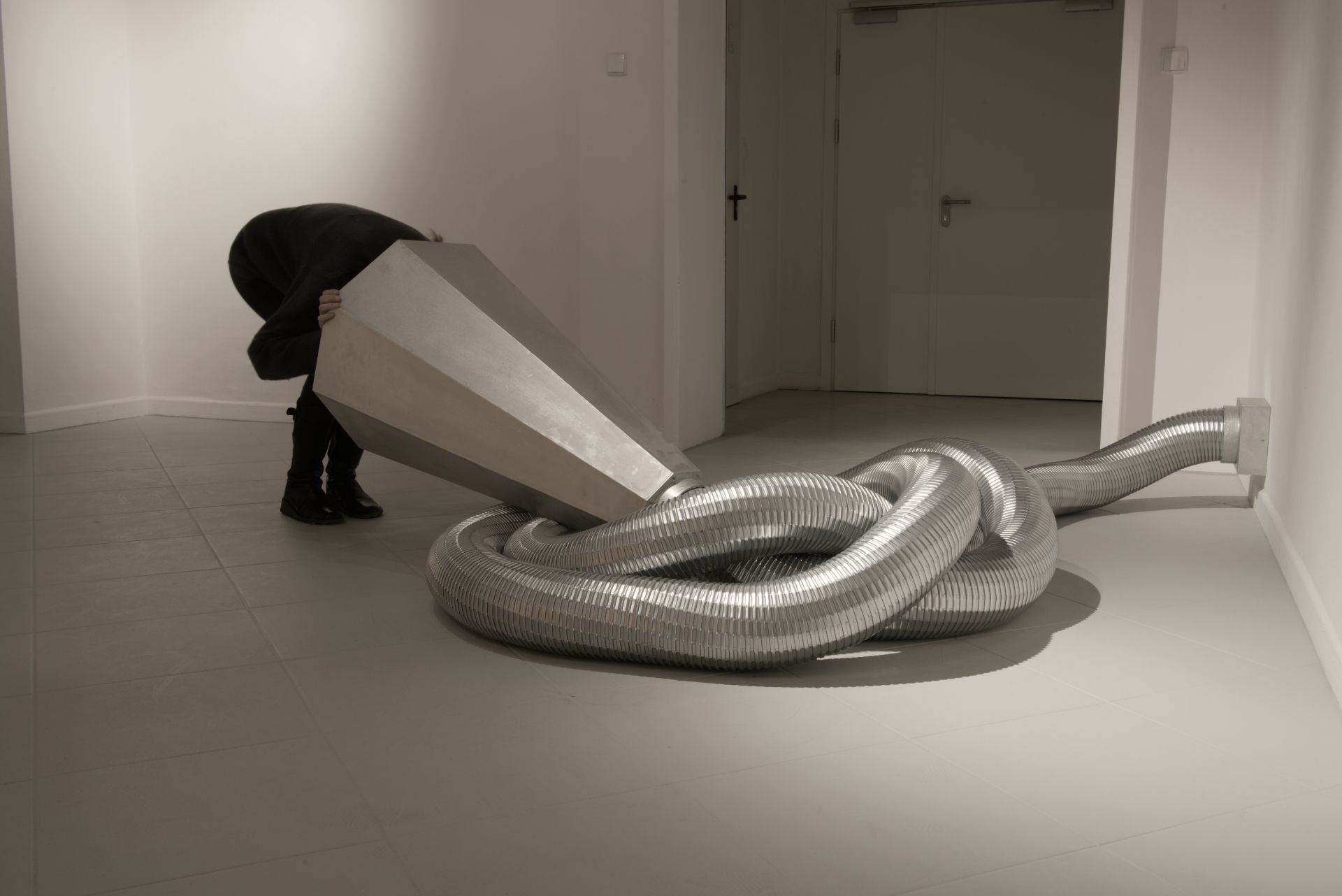
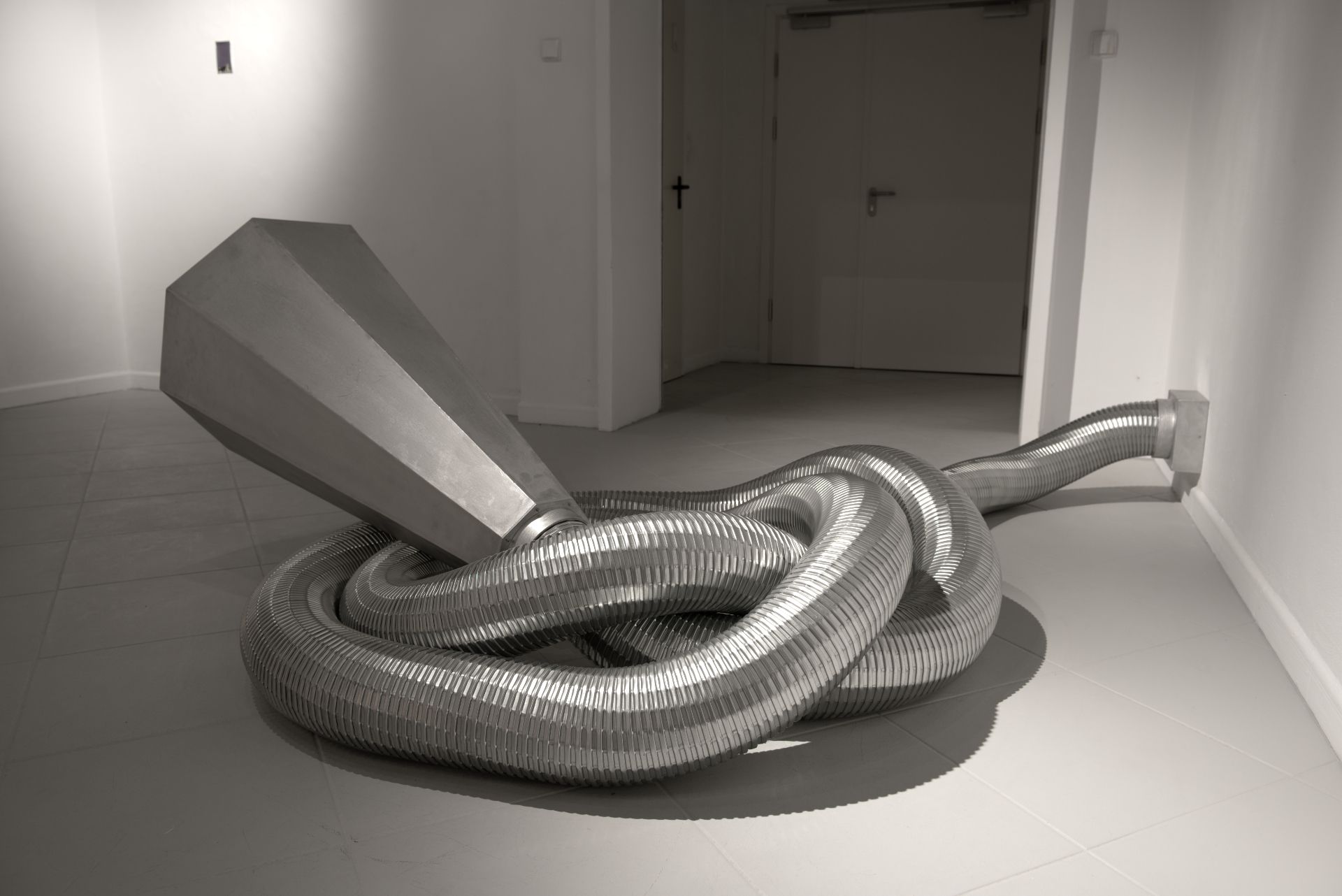
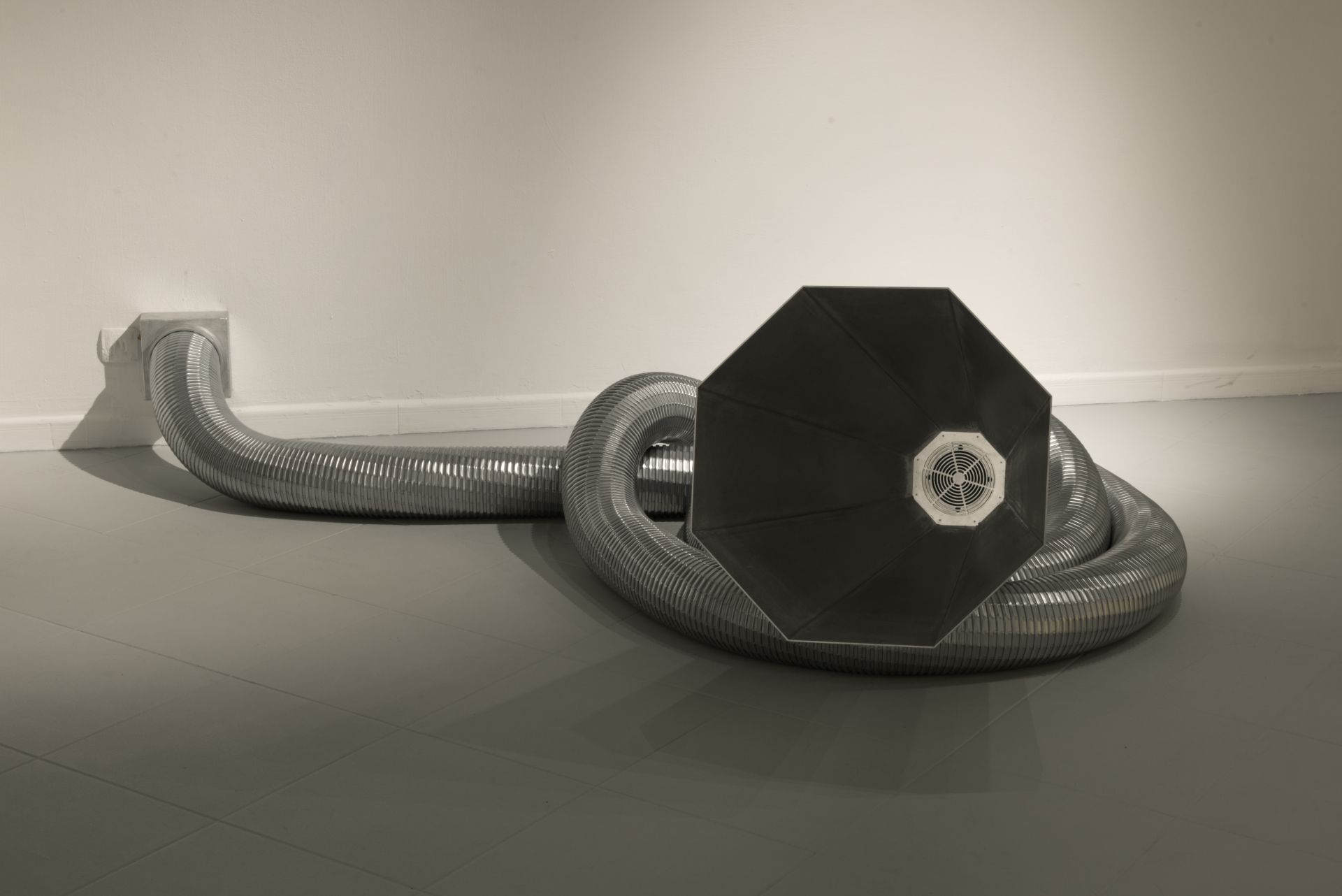
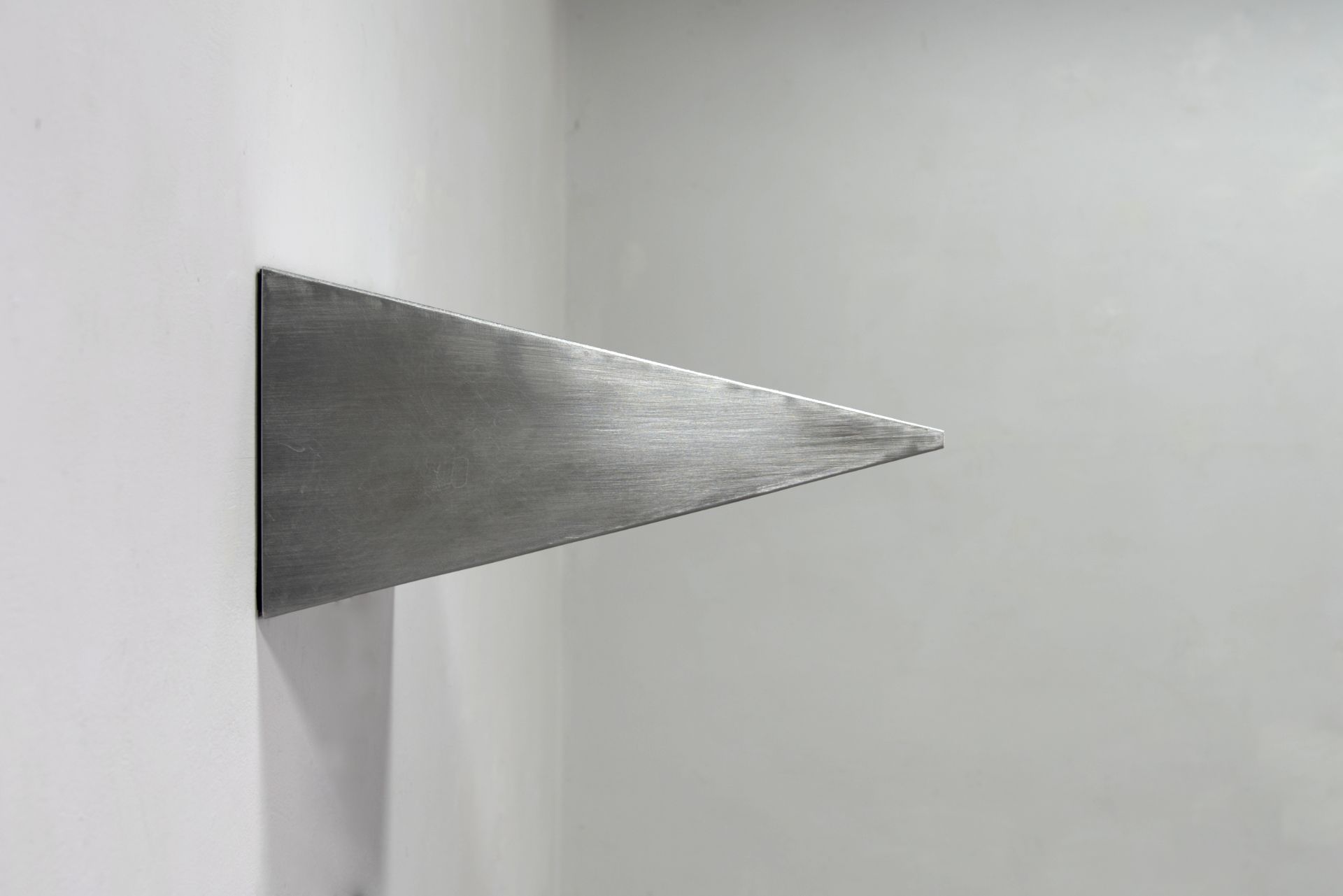
My practice focuses on spaces that are as much mental as physical, on identities and architecture that bleed into each other. I aim to construct new spaces - hybrids - that are a balance between the two, an architecture of space and memory.
I am particularly interested in bland, anonymous spaces, and view them as the physical manifestations of the systems that structure our lives. In my work I am trying to approach the idea of how we 'wear’ these spaces. At present this involves making interiors from exteriors. Concrete doubling as both form and content, the surface and what lies beneath.